
- Bayou Line Response
- Insurance documentation help
- Local bayou knowledge
Sewage Cleanup in Houston
A backed-up line or flood water mixed with waste needs containment, extraction, and ruined materials out of the house.
How it works
You call
Call and say what you are seeing: standing water, a stained ceiling, a musty smell that showed up after a leak.
We connect you
Houston Water Damage Assist is a call referral service, and your call goes to an independent local company.
You decide
You and that company agree the work and the terms directly.
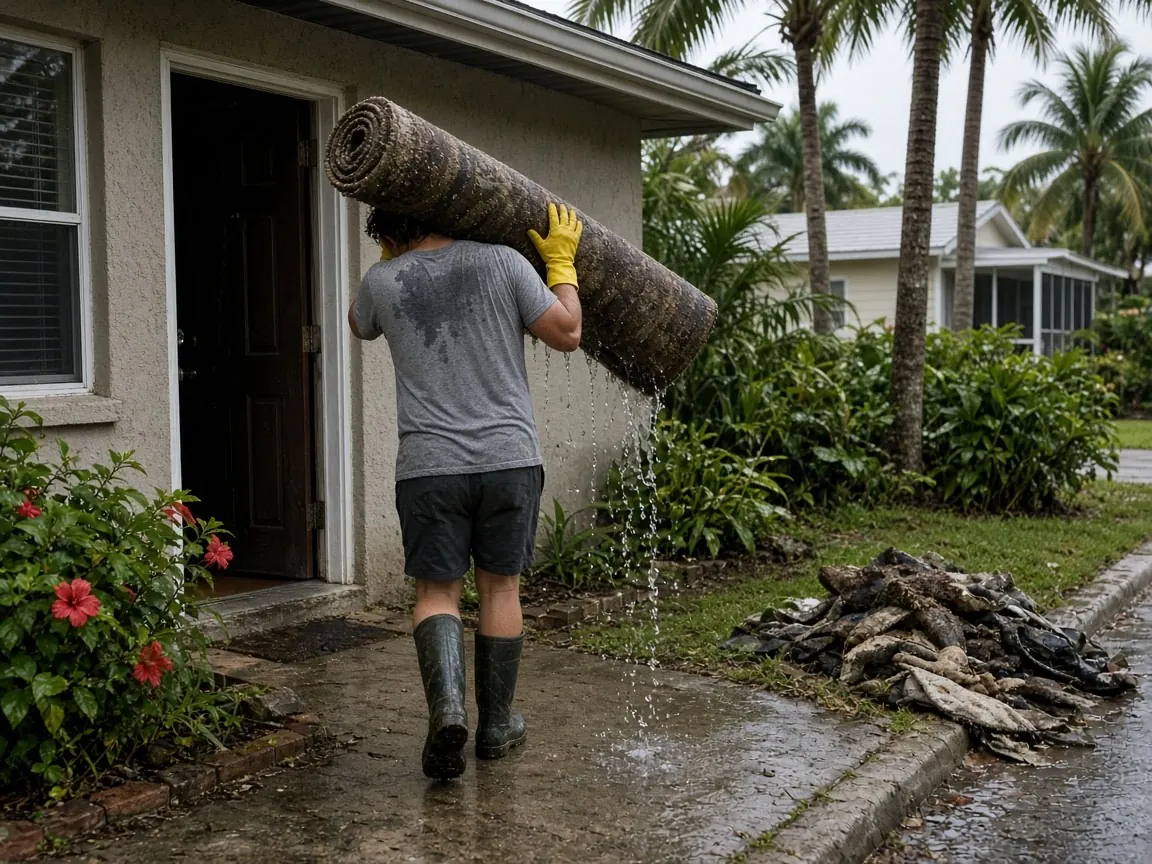
If a toilet, a tub, or a floor drain brought dirty water into the room, stop using every drain in the house and keep people out. Sewage water and flood water that mixed with waste are contaminated. Houston storms can push that mix in from the street as well. Call. Bayou Line Response still starts with safety: do not step through it to reach a panel, photograph from the doorway, and let the company you reach set containment before a deep clean. Insurance documentation help is the photo of the line on the wall and a note of the time you found it.
Houston Water Damage Assist is a call referral service. Your call goes to an independent local company.
When the water is contaminated
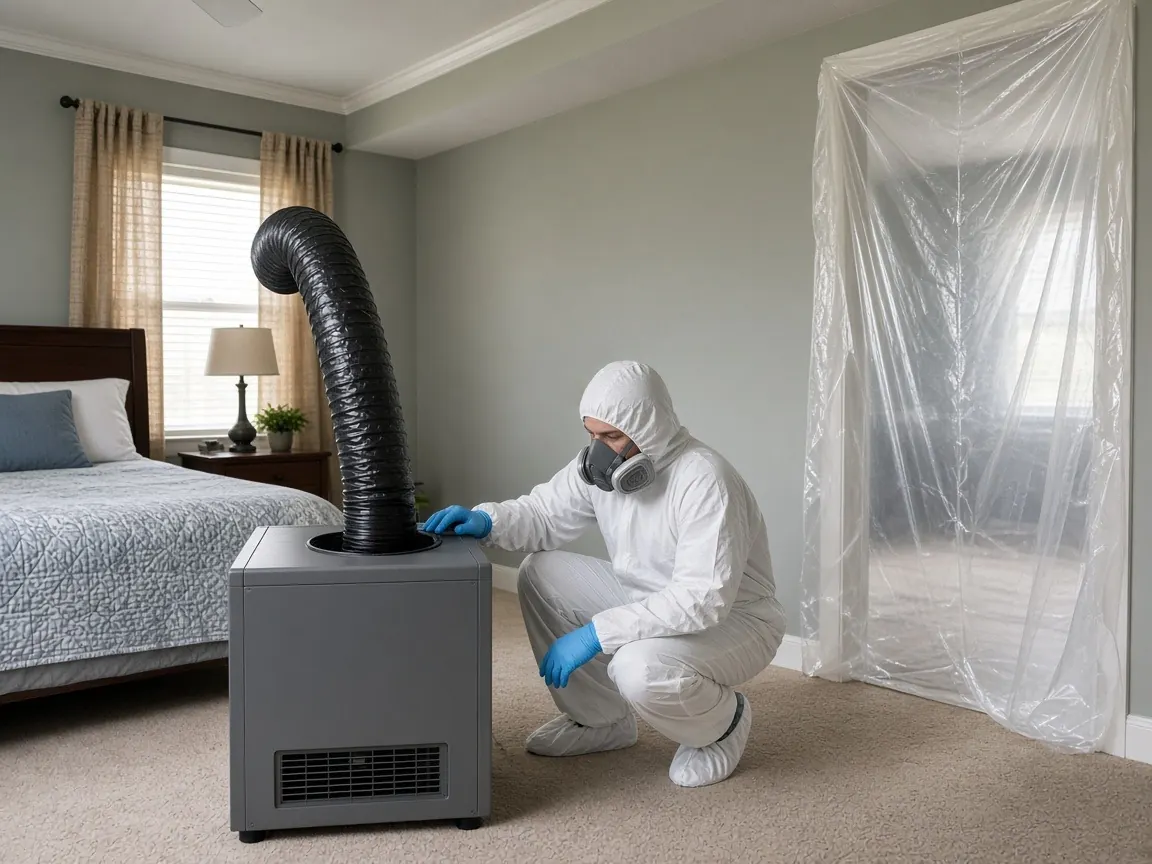
A supply-line break is often clear water. A sewer backup is waste. Bayou flooding can be both, because channels carry whatever the neighborhood drains dumped. Tell the company what you smell and where it entered. That description changes gloves, containment, and what has to be thrown out.
Children, pets, and anyone with sensitive breathing should be in a dry part of the house or out of it. Open windows only if that does not pull air from the dirty room through the rest of the home. Your clinician handles health questions. This page is about the building.

Keep the mess in one zone
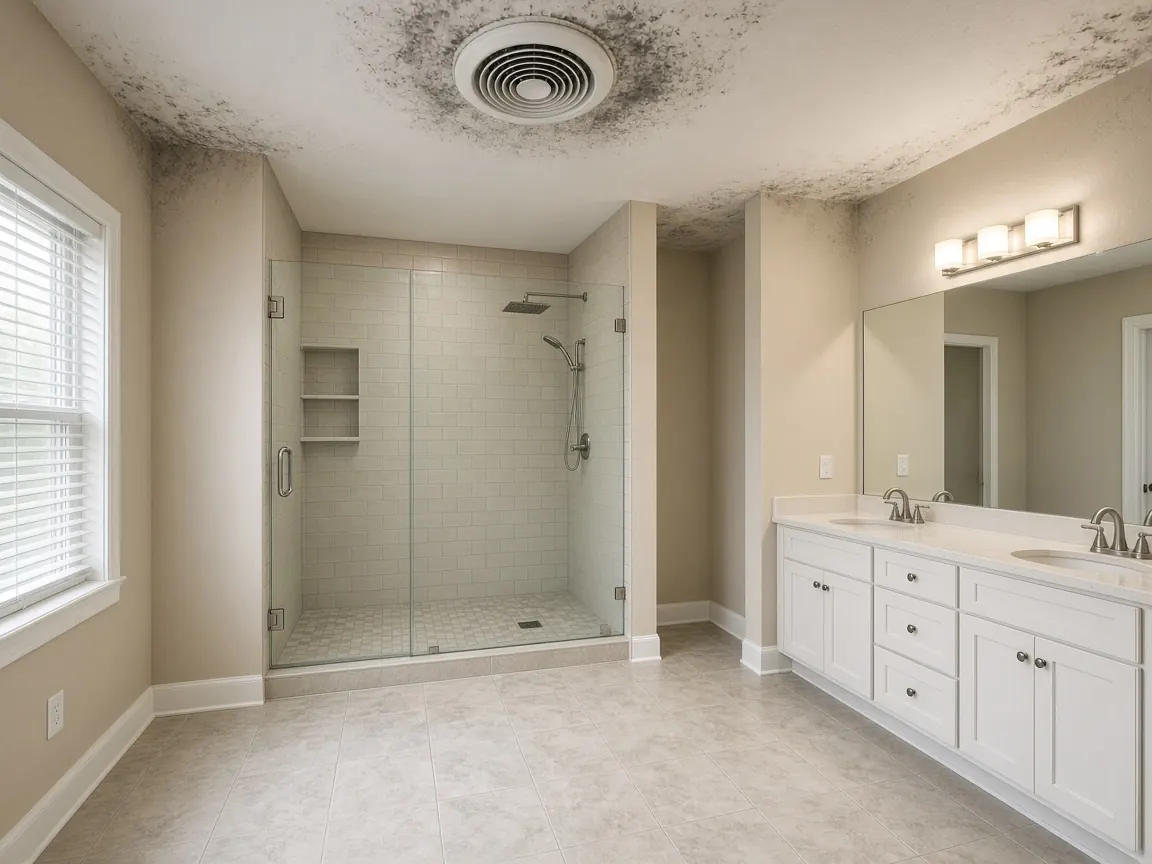
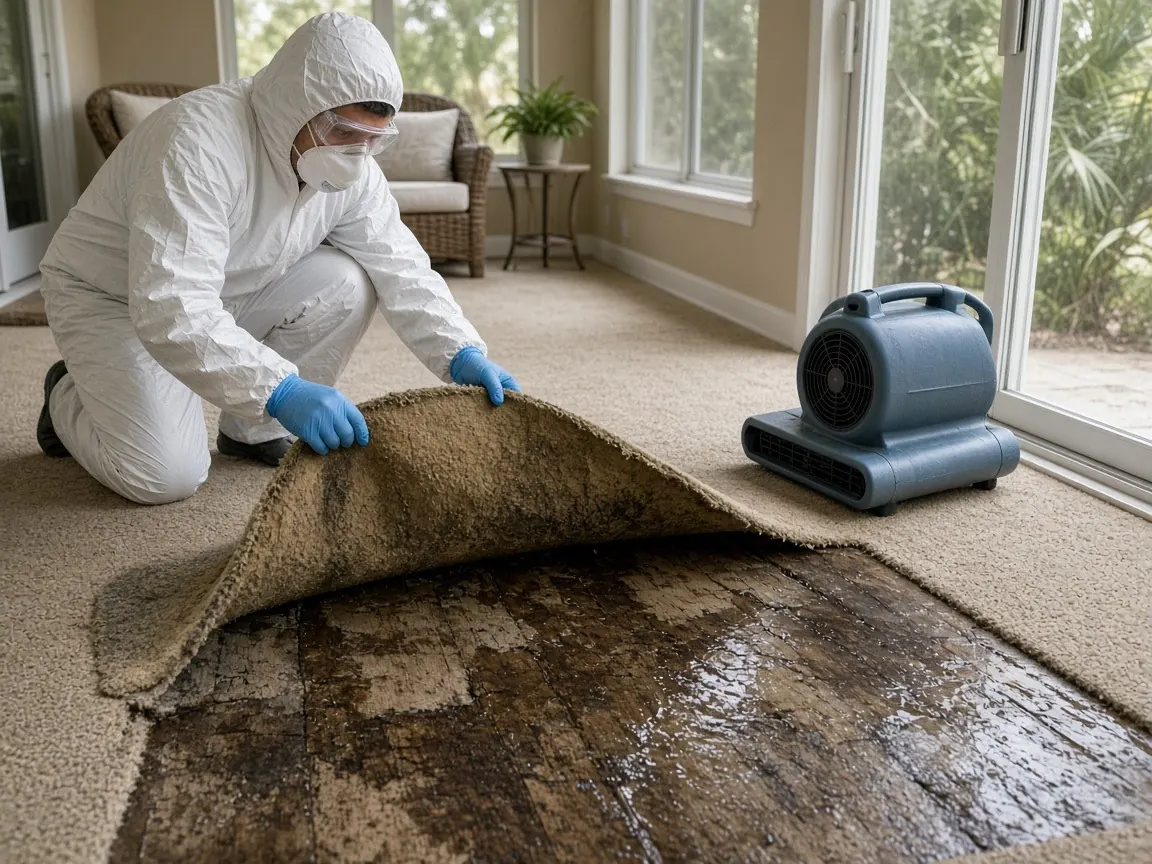
Close the door to the affected room if you can do that without walking through the water. Skip fans that would blow across the contamination into a clean hall. Skip a household vacuum. Porous items that soaked up waste, including carpet pad and open insulation, usually cannot be saved.
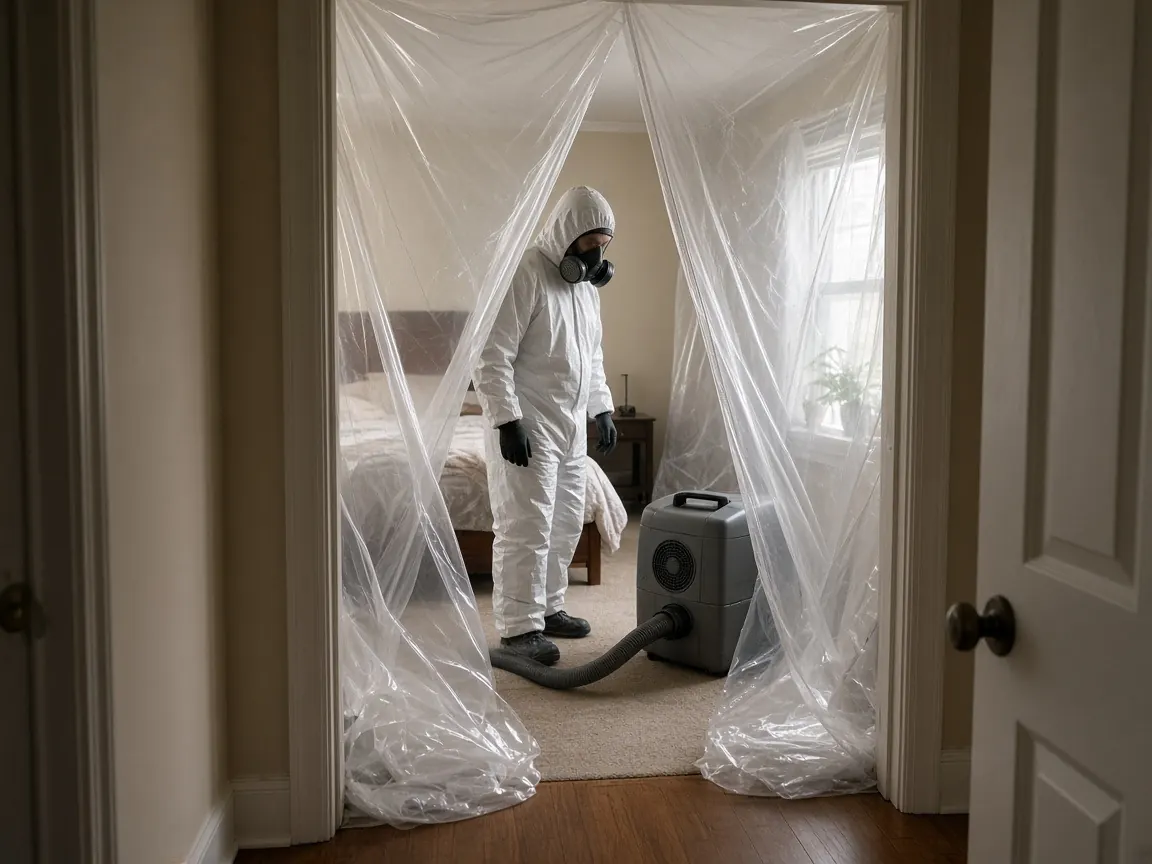
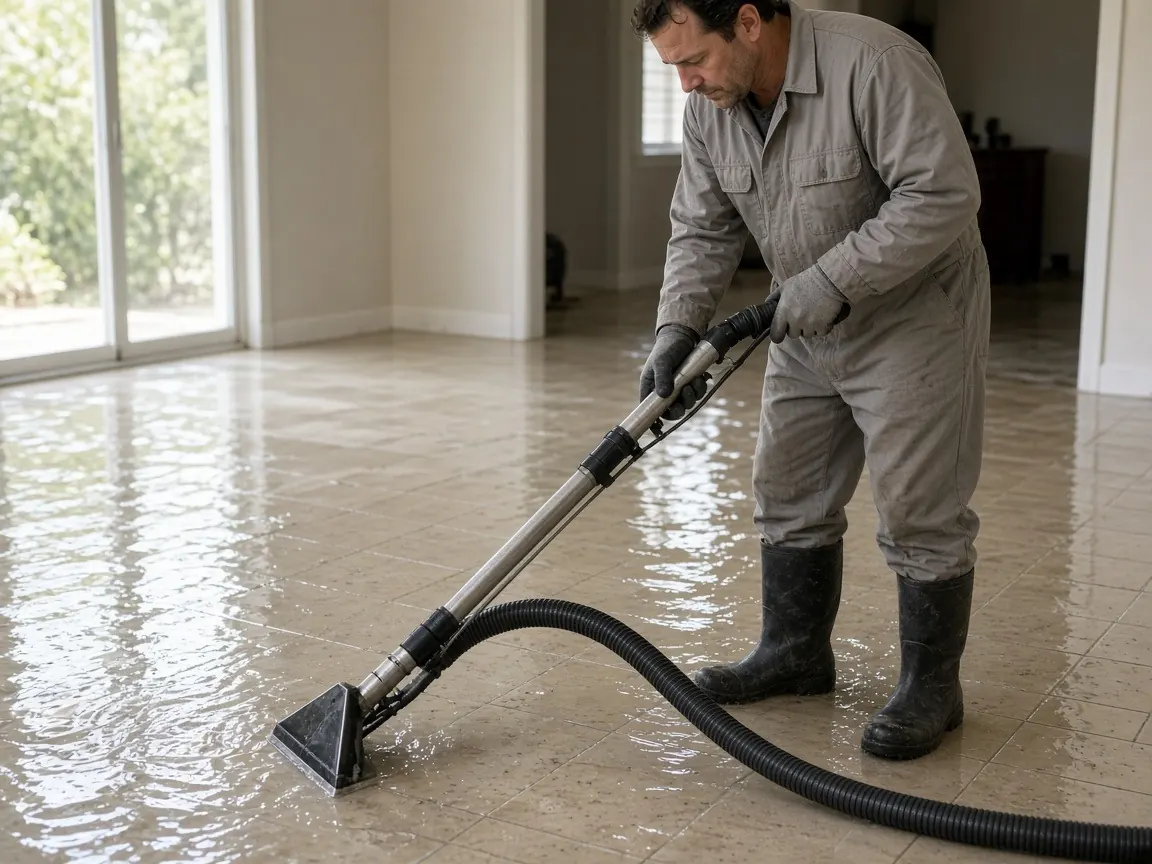
The company you reach contains the area, extracts the water, removes the ruined porous material, and then dries the structure that remains. You agree that scope with them after they see it.
Cleanup steps owners should expect
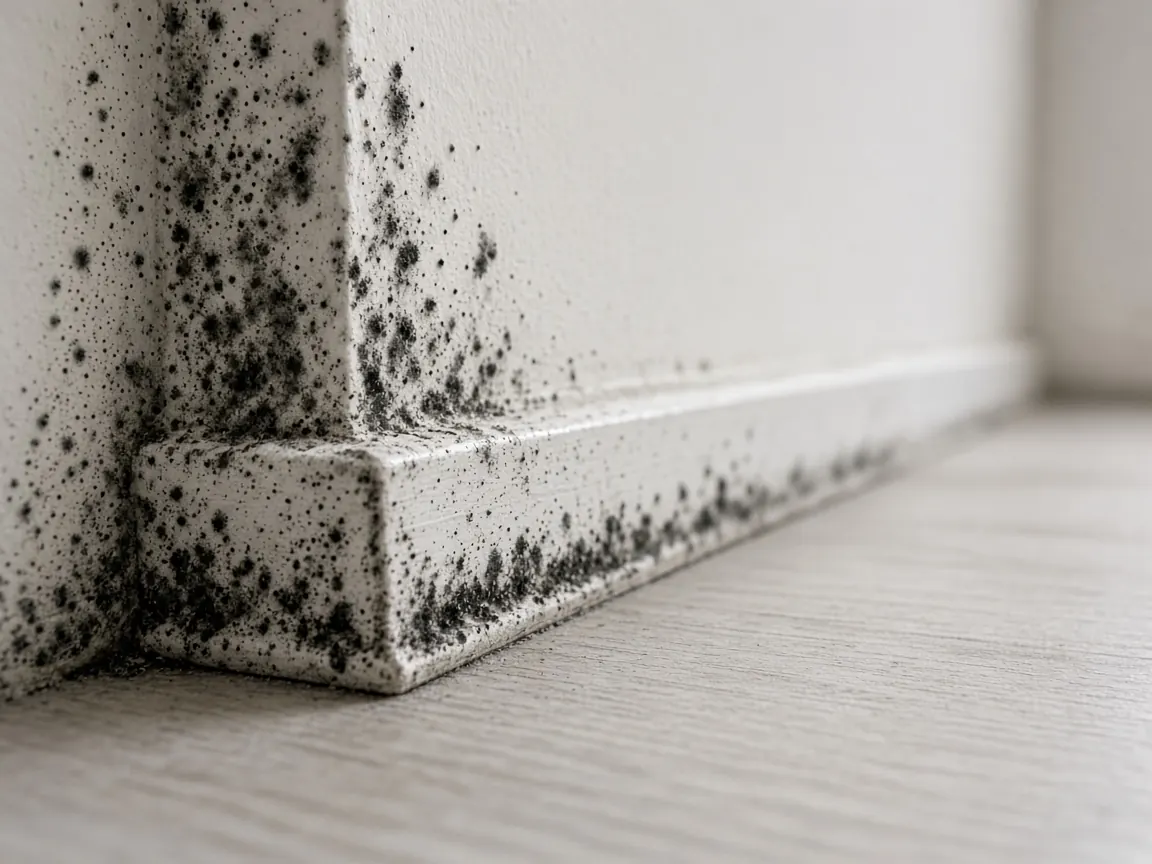
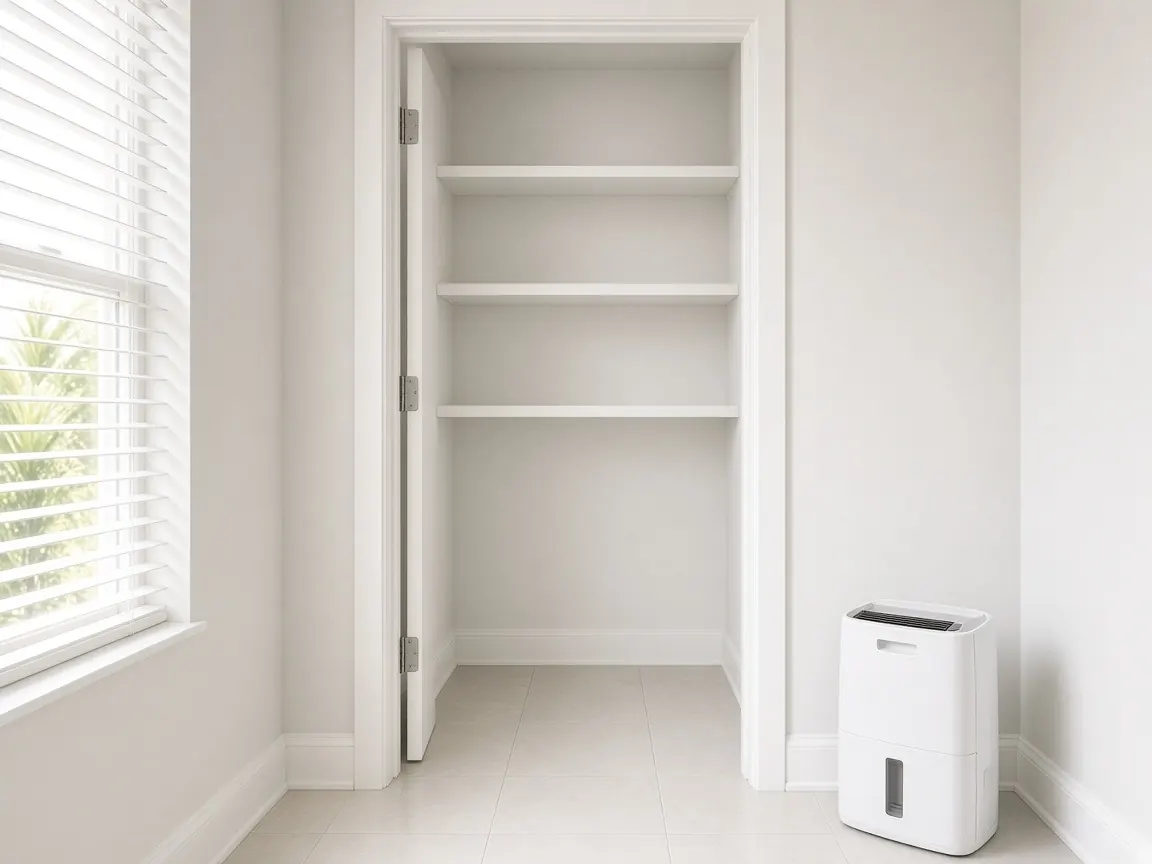
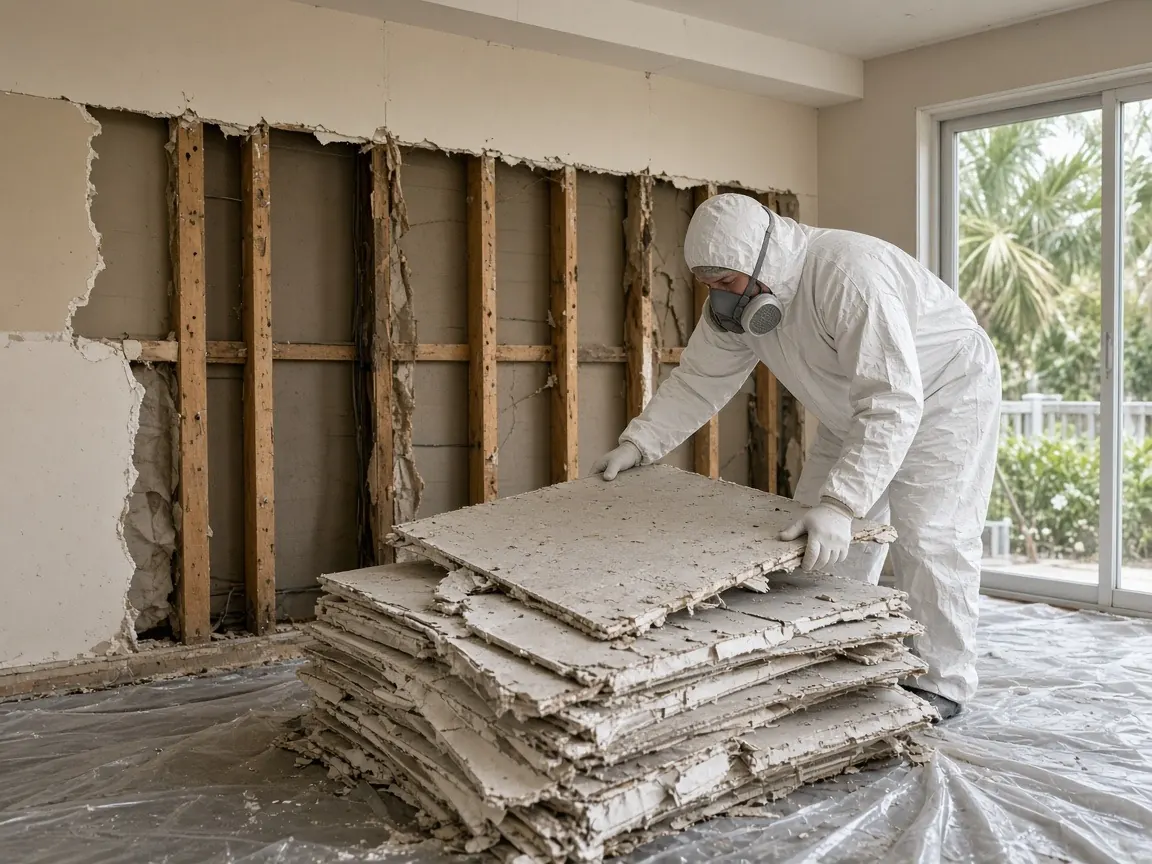
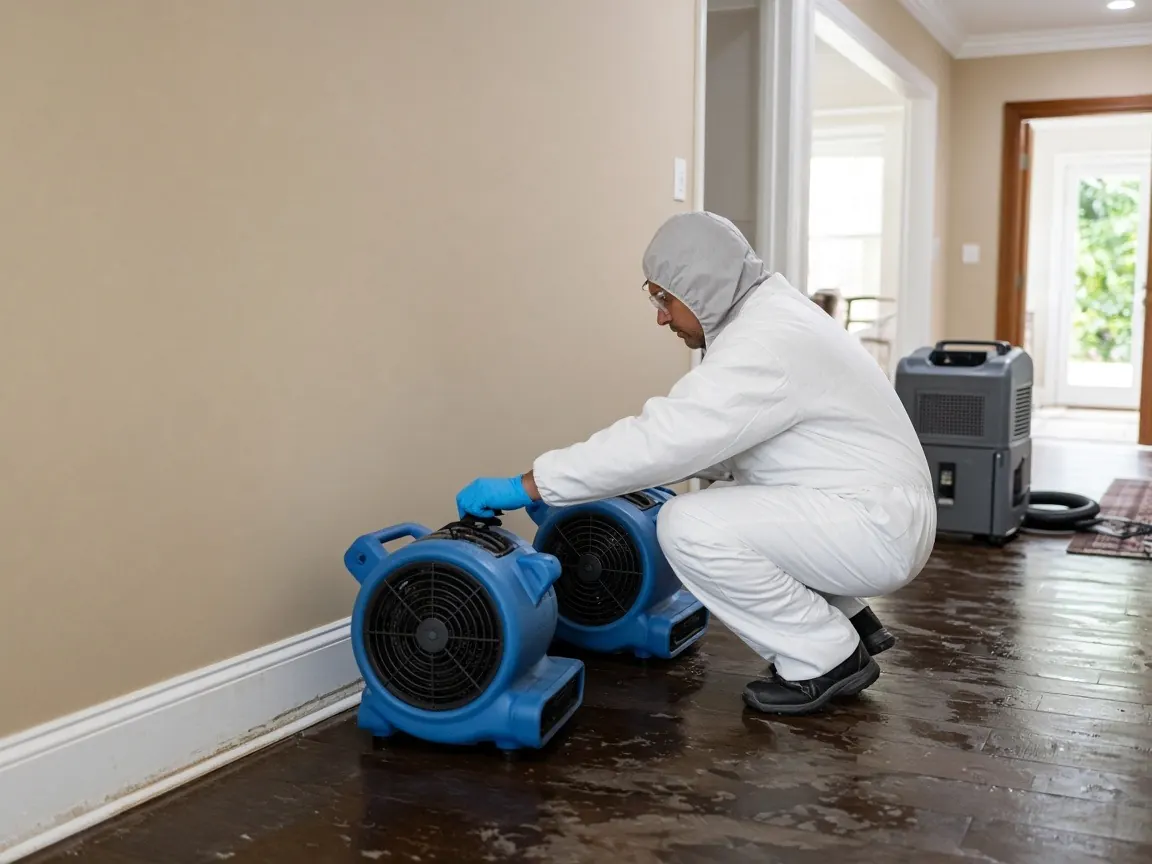
Expect plastic containment, extraction, removal of wet porous finishes to a measured height, cleaning of what can be cleaned, and drying with air movers and dehumidifiers checked by a moisture meter. If mold appears later across 25 contiguous square feet, that part of the work follows the Texas mold licensing rules on the mold page.
Water extraction and structural drying do not use a state license. The mold contractor license is a different credential and only applies when the mold rules say so.
What changes a sewage cleanup
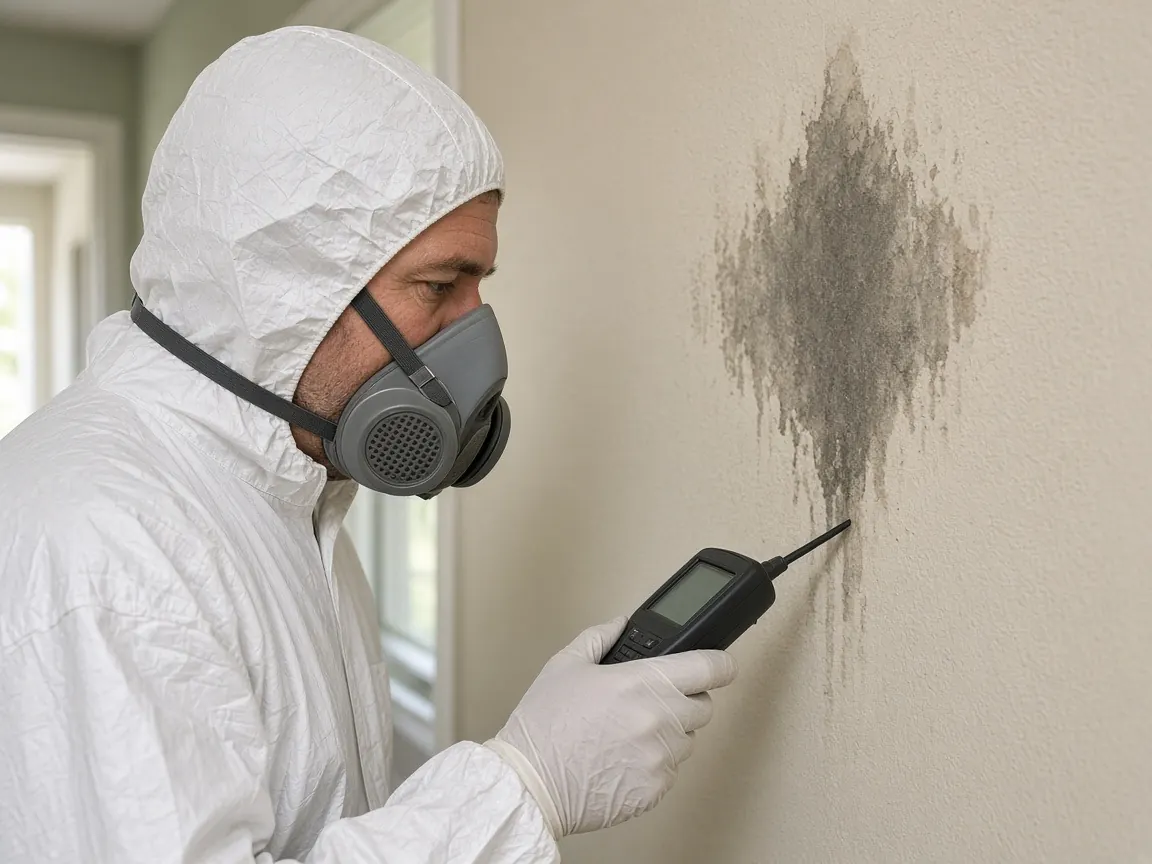
How many rooms the backup reached, whether it touched HVAC, how long it sat, and whether flood water joined it all change the job. A single bathroom that was caught in minutes is a different project from a hall that held waste water overnight.
Photos from the doorway, a list of affected rooms, and the time you shut down the drains are the facts to have ready. The company confirms the rest on site.
Health of the building, then the call
After the structure is clean and dry, ask your agent how a backup is treated on your policy. Flooding from a bayou may sit on a different contract than an indoor drain backup. Read the forms. Keep the company's moisture notes with your photos.
Related: flood damage restoration, water extraction, mold remediation, and flood water safety.
FAQ
Should I clean a sewage backup myself?
Keep people out, stop using drains, and call. Porous materials that soaked up waste usually have to leave the house, and a household vacuum will spread what you are trying to hold still.
Is flood water a sewage problem too?
It can be. Bayou and street water often carry waste from drains. Treat it as contaminated and use the flood water safety steps.
What does cleanup usually include?
Containment, extraction, removal of ruined porous material, cleaning of salvageable surfaces, and metered drying. The company sets the height of removal from what it sees.
What changes the size of the cleanup?
Rooms affected, time the water sat, contact with the air system, and whether outdoor flood water mixed in.
Does this use a state license?
Extraction and structural drying do not. If mold covers 25 contiguous square feet or more, that mold work needs a TDLR Mold Remediation Contractor and a separate licensed assessor.
What do I photograph?
The water line, the fixture or drain that overflowed, and each affected room, from a dry doorway when you can. Those frames are the start of the insurance file.
Dirty water spreads while you look up what to do
Stay out of the room and call.