
- Bayou Line Response
- Insurance documentation help
- Local bayou knowledge
Mold Remediation in Houston
A musty closet after a leak is the emergency. Houston humidity does not give wet drywall a long pause.
How it works
You call
Call and say what you are seeing: standing water, a stained ceiling, a musty smell that showed up after a leak.
We connect you
Houston Water Damage Assist is a call referral service, and your call goes to an independent local company.
You decide
You and that company agree the work and the terms directly.
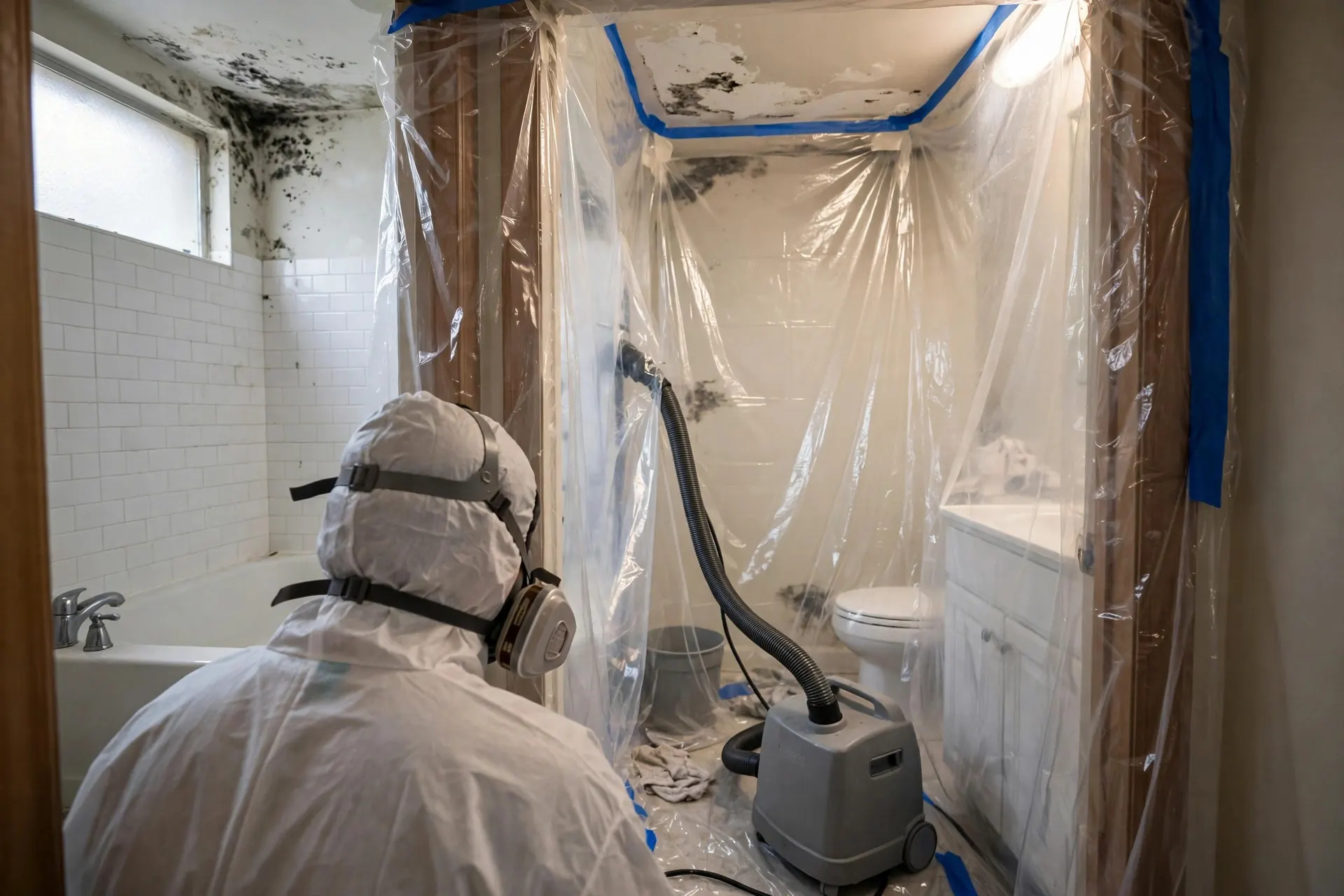
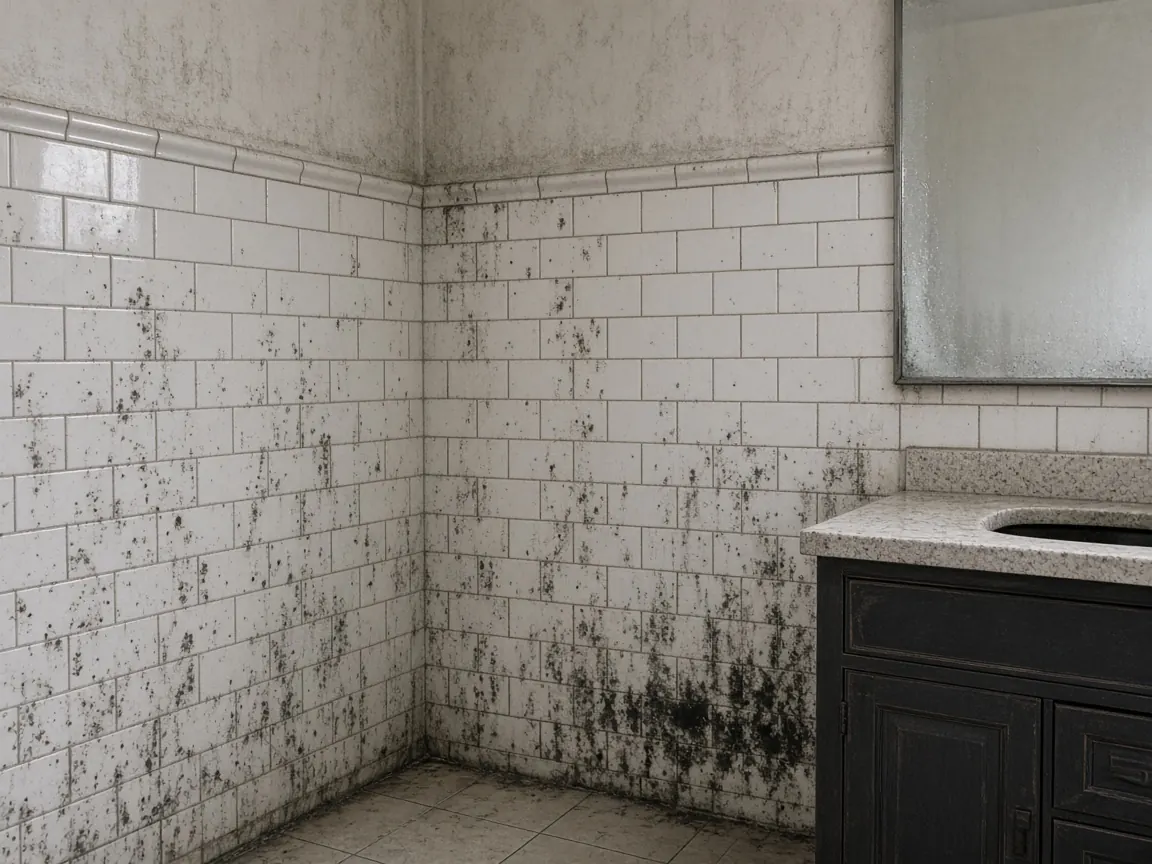
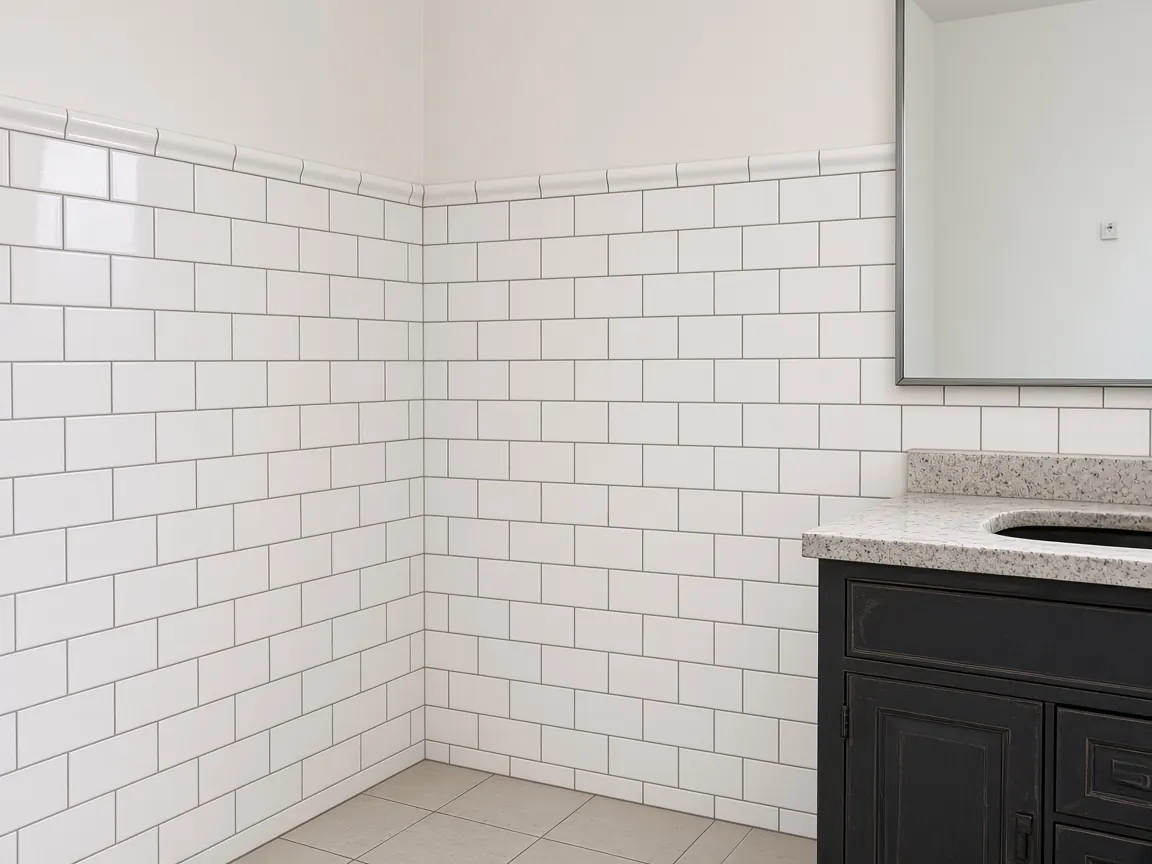
The smell hits when you open the closet, or the bathroom grout stays dark after you clean it. That is the moment to call, while the wet drywall is still a drying problem and not a whole-wall project. Bayou Line Response applies here too. Stop the leak if you can do it safely, photograph the visible growth and the water path, and call. The company you reach measures moisture, contains the area when the scope calls for it, and sets drying equipment. Insurance documentation help starts with those photos.
Houston Water Damage Assist is a call referral service. Your call goes to an independent local company.
Bayou Line Response for a musty house
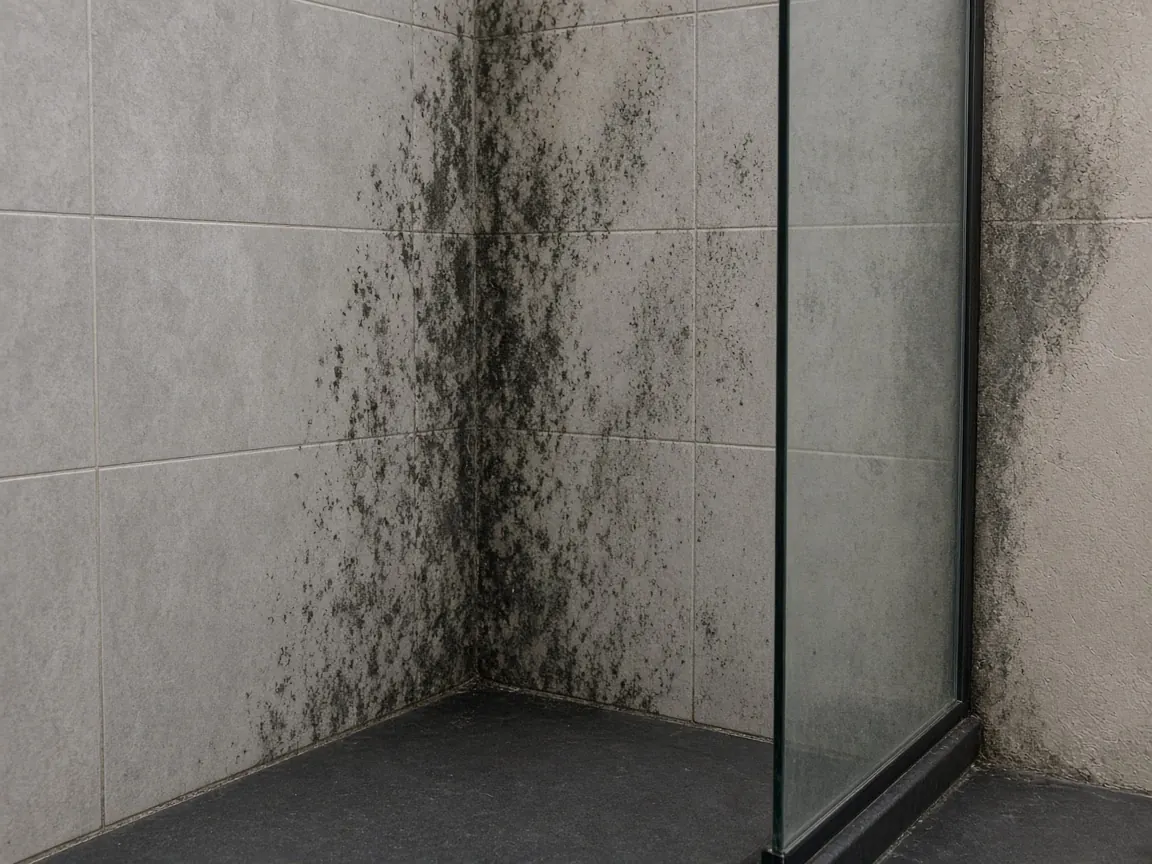
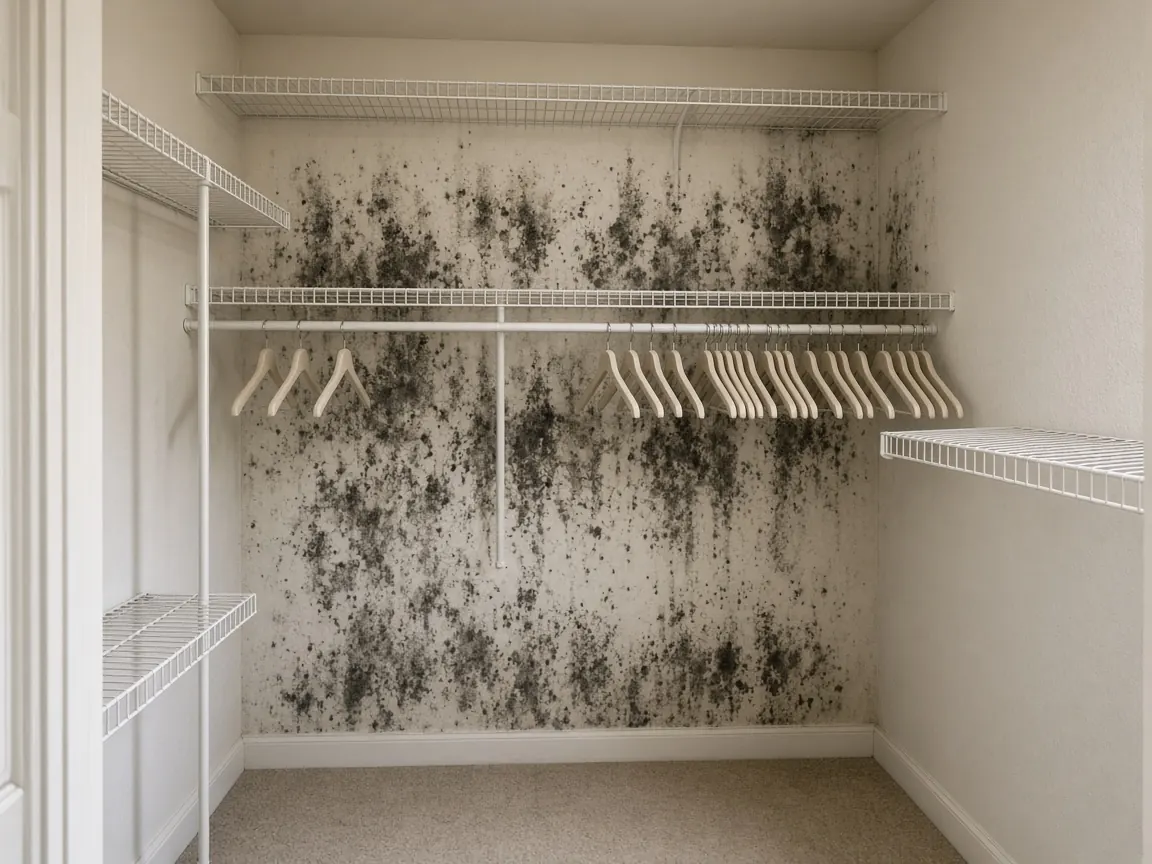
Say which room, how long it has smelled musty, and whether an air conditioner, a slab line, a roof, or bayou water was the source. Buffalo Bayou, Brays Bayou, and a pinhole under a 1982 slab leave different clues, and the company needs the clue you can see.
Keep the heating and air moving only if the system itself is dry. A wet air handler should stay off. Do not sand or scrape visible growth into the rest of the house while you wait.
The Texas licensing line
Texas licenses mold remediation. Water extraction and structural drying do not use a state license. Once mold covers 25 contiguous square feet or more, the mold work needs a TDLR Mold Remediation Contractor under Texas Occupations Code Chapter 1958. A separate licensed mold assessor writes the protocol. The same person does not hold both roles on one project. Notice goes to the state ahead of the project. In an emergency the notice can go the next business day. You receive a Certificate of Mold Damage Remediation when that mold project is finished.
The statute is Texas Occupations Code Chapter 1958 and the program page is the TDLR mold program.
Where Houston humidity shows up
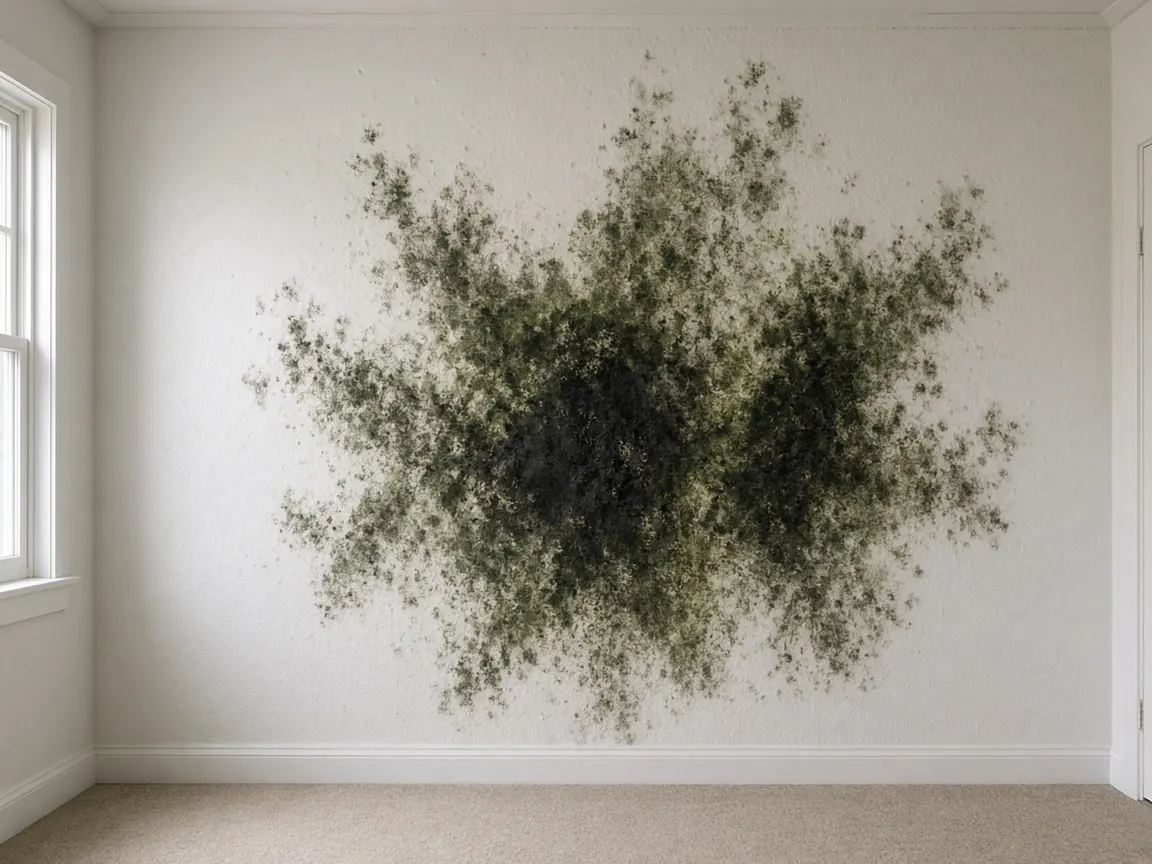
Bathrooms, air-conditioner closets, attic decks, and exterior-wall closets are the repeat locations in this climate. After Harvey and after every hard bayou rise, the same rooms grow musty if the insulation was left wet. The EPA guide says to dry materials within about 24 to 48 hours. That guide is the EPA mold and moisture guide.
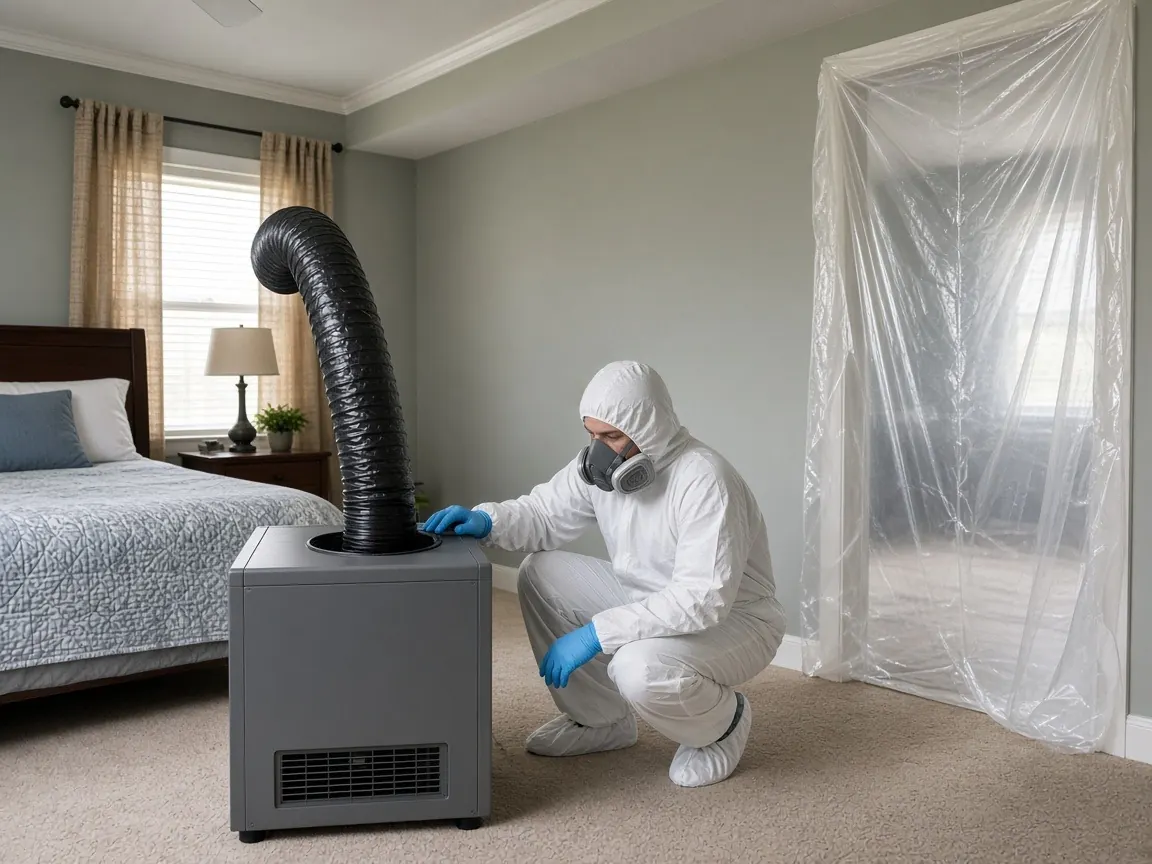
Containment plastic, a HEPA air scrubber, and removal of ruined facing are the kinds of steps a mold project uses when the growth is past a wipe-down. The company sets that scope after it sees the room. This site connects the call.
What changes the size of mold work
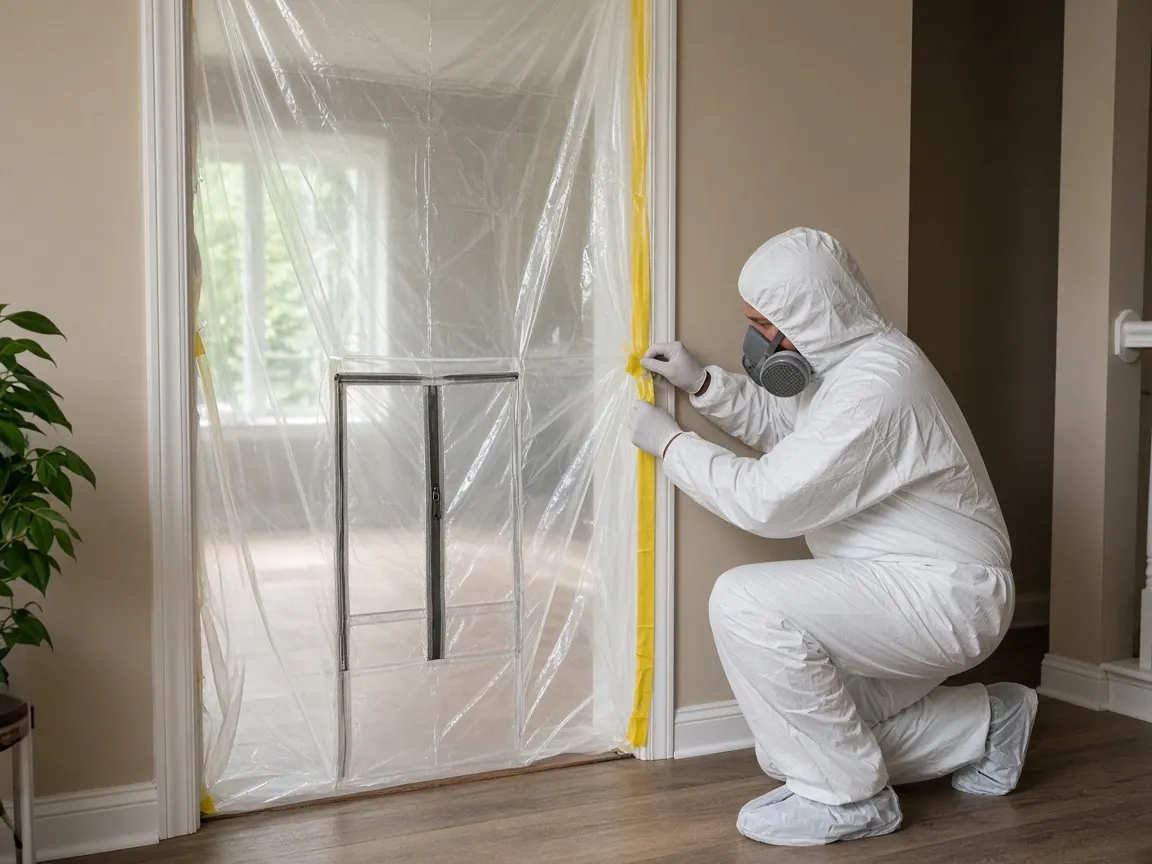

Square feet of visible growth, whether it is on the surface or inside the wall, how long the material stayed wet, and whether the house is a slab all change the project. Crossing 25 contiguous square feet is the licensing threshold in Texas. A smaller patch can still need real drying so it does not return next month.
No one can judge that from a text description alone. Photos help the company arrive ready to meter. You and that company agree the work and the terms directly.
Documentation while materials are still wet
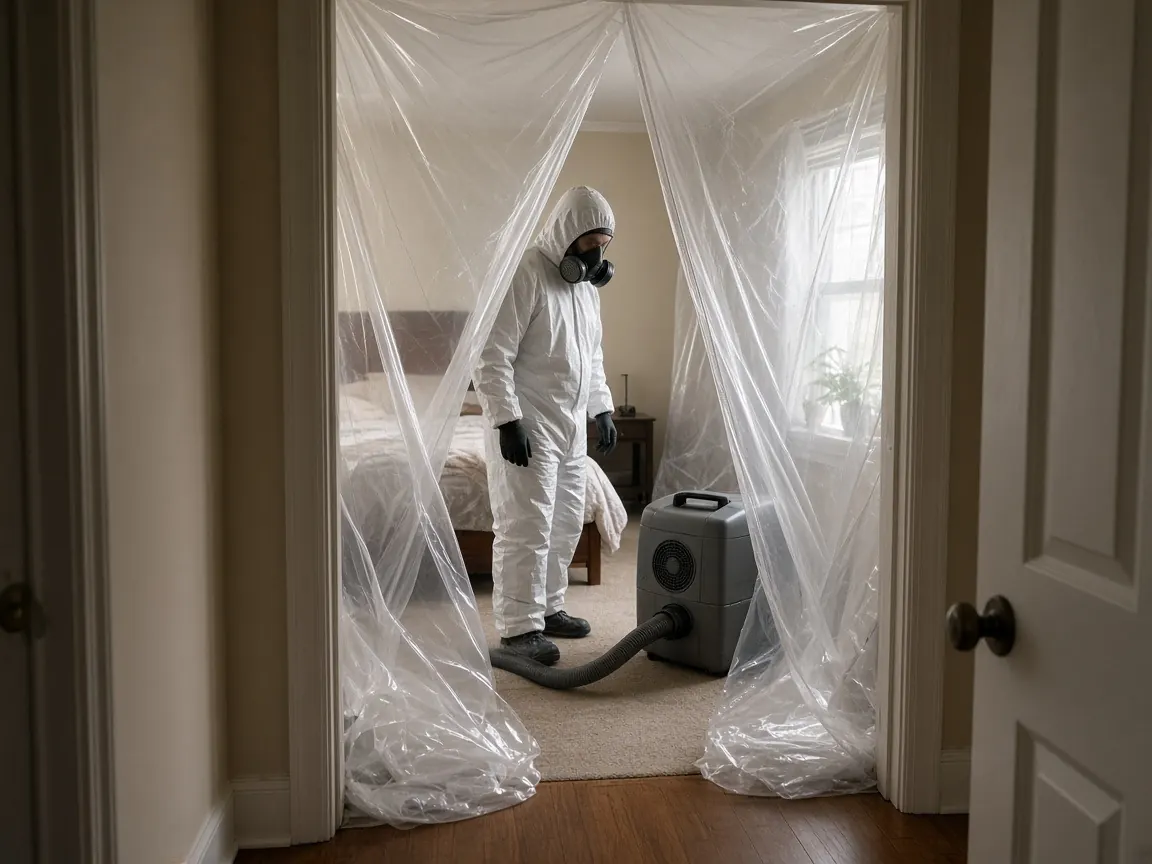
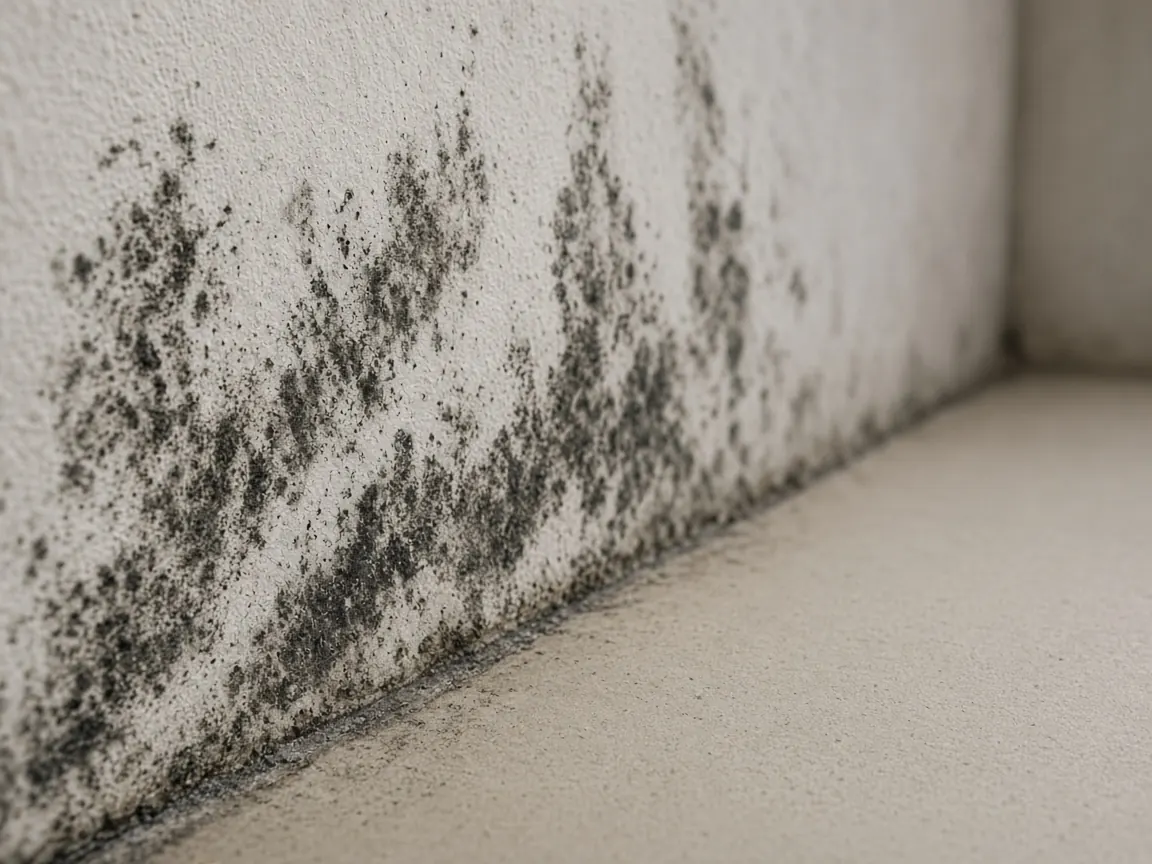
Write the date you first smelled it and the date of the leak or the flood. Keep the moisture readings the company records. A flood policy and a homeowners policy answer different water. Rising bayou water is one question for your agent. A pipe or an air-conditioner drain is another. Read the policy before you throw out damaged contents.
City pages: Houston, The Woodlands, Conroe, Spring, and Katy. If the water is still standing, start with water extraction.
FAQ
How soon can mold grow after a Houston leak?
The EPA says wet materials should be dried within about 24 to 48 hours. Warm, closed rooms in this humidity sit on the short side of that window. See the EPA mold and moisture guide.
What does Texas require once mold covers 25 square feet?
Texas licenses mold remediation. Water extraction and structural drying do not use a state license. Once mold covers 25 contiguous square feet or more, the mold work needs a TDLR Mold Remediation Contractor under Texas Occupations Code Chapter 1958. A separate licensed mold assessor writes the protocol. The same person does not hold both roles on one project. Notice goes to the state ahead of the project. In an emergency the notice can go the next business day. You receive a Certificate of Mold Damage Remediation when that mold project is finished. Links: Texas Occupations Code Chapter 1958 and TDLR mold program.
Are water extraction and mold work the same license?
Water extraction and structural drying do not use a state license. Mold remediation at 25 contiguous square feet or more requires the TDLR mold remediation contractor, with a separate assessor writing the protocol.
What should I do in the first hour if I see growth?
Stop the moisture if that is safe, avoid scraping spores into the air, photograph the area, and call. The company contains and dries based on what it measures.
What drives the size of a mold project?
Contiguous square feet, growth inside a cavity versus on a surface, how long it stayed wet, and slab construction. The 25 square foot mark changes the Texas licensing path.
Can I stay in the house?
It depends on the containment plan and who sleeps in the adjacent rooms. Children, older adults, and anyone with sensitive breathing are a reason to make that call sooner. This page is about the building, and your clinician is the person for health questions.