
- Bayou Line Response
- Insurance documentation help
- Local bayou knowledge
Houston Water Damage Questions
Short answers, then the call. The house will not pause while you read.
These are the questions people ask when water is already inside. If that is your house, call between sections. Bayou Line Response is stop the source if it is safe, photograph the line, and let the company you reach meter and dry.
Houston Water Damage Assist is a call referral service. Your call goes to an independent local company.
Start here if water is in the house
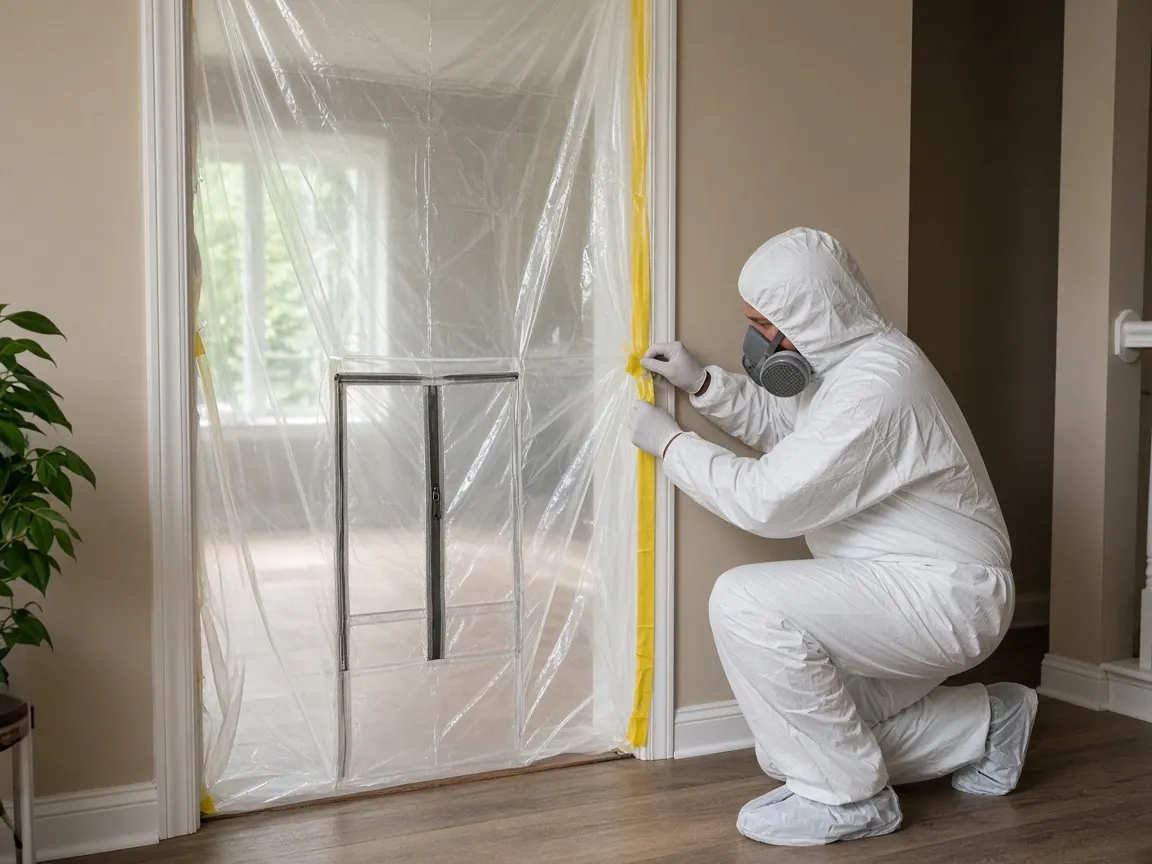
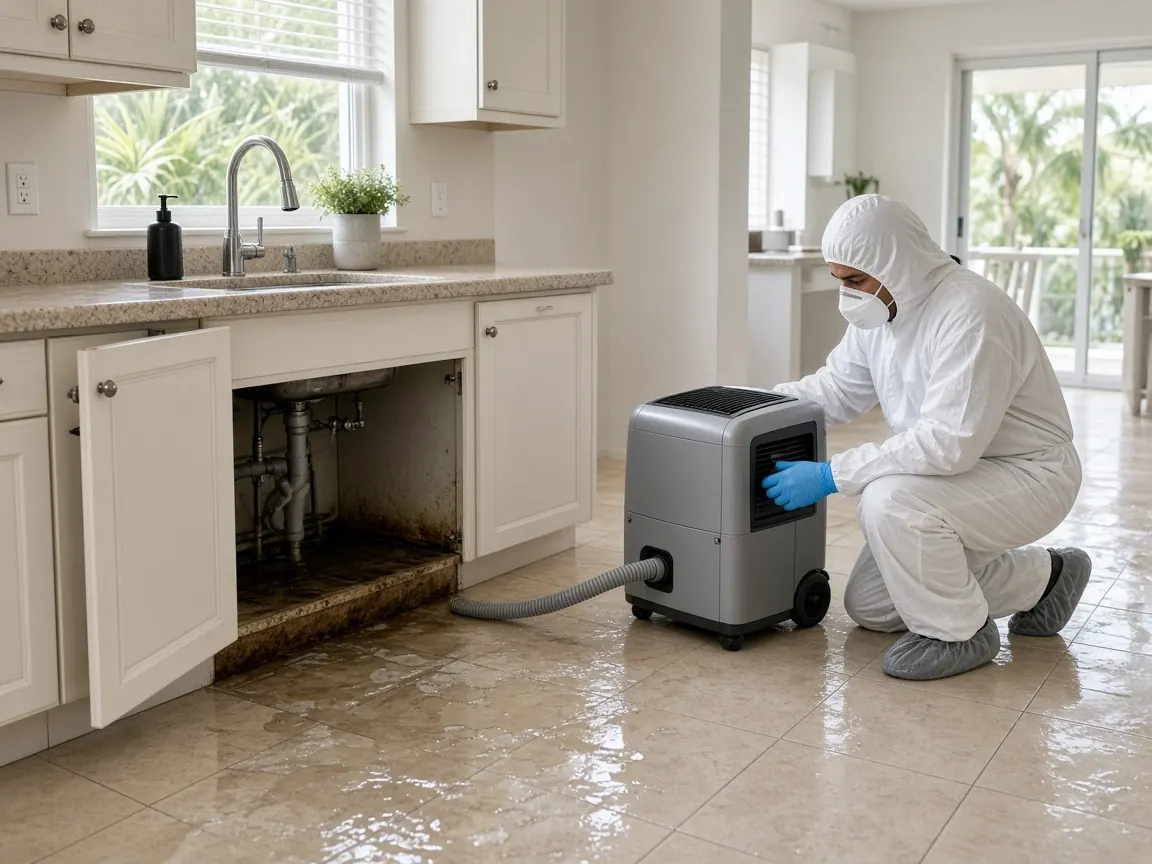
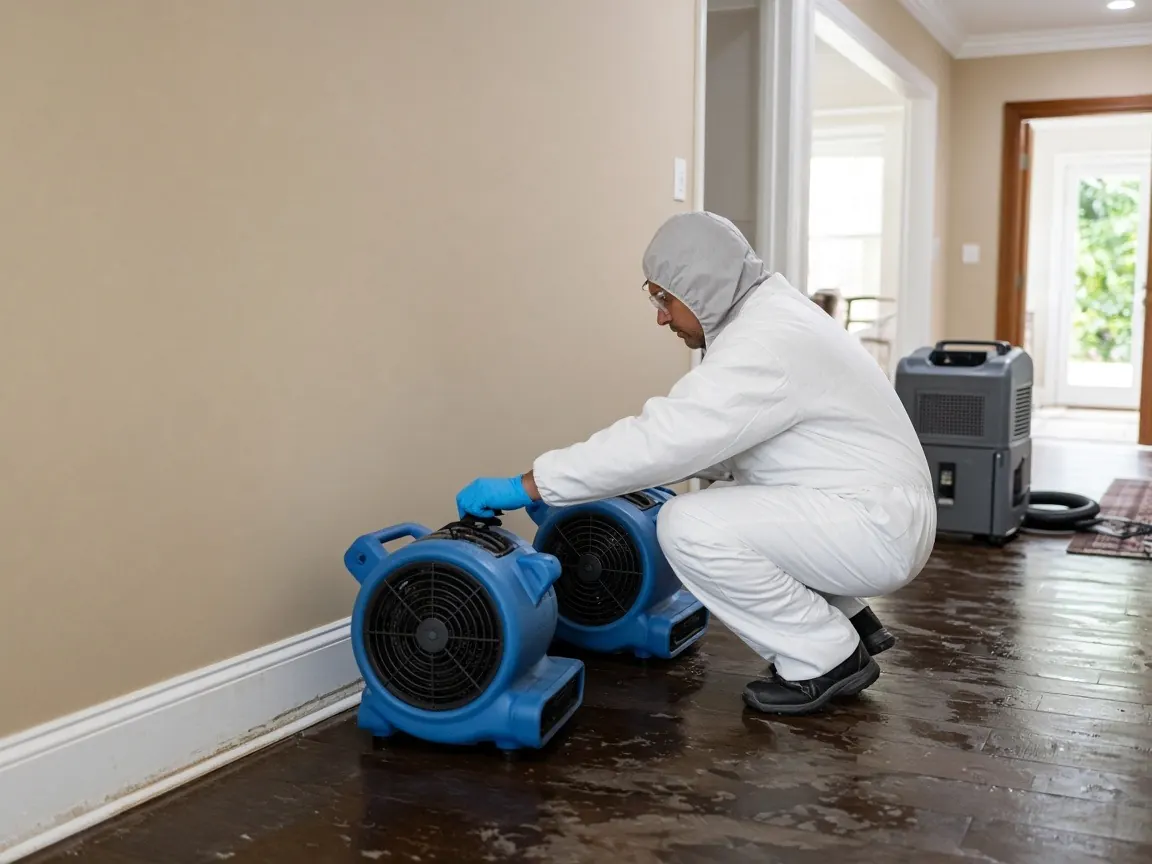
In the first hour, shut the water off when the valve is safe, keep people and pets out of standing water, and cut power only if you can do it from a dry place. Photograph the highest mark. Skip a household vacuum. The longer guide is the first hour.
Then call. Have the address and the room names.

Flood water and indoor leaks
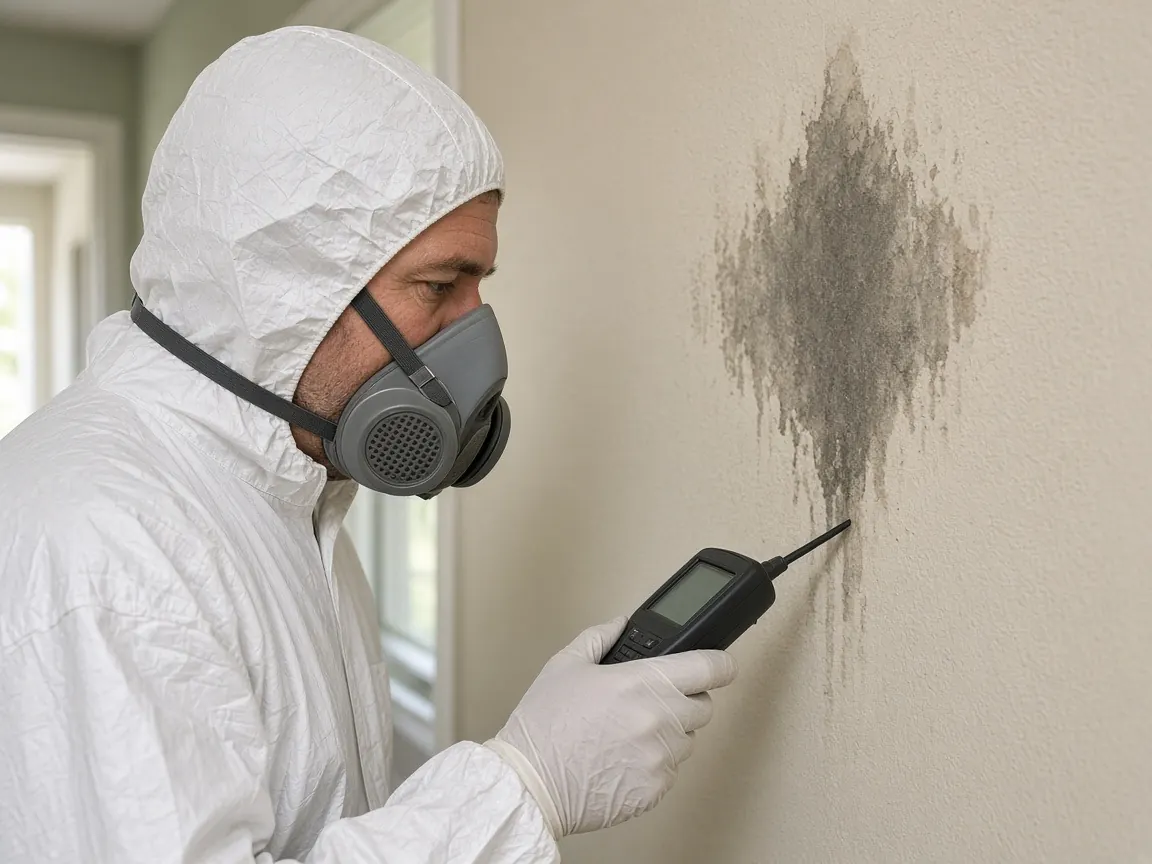
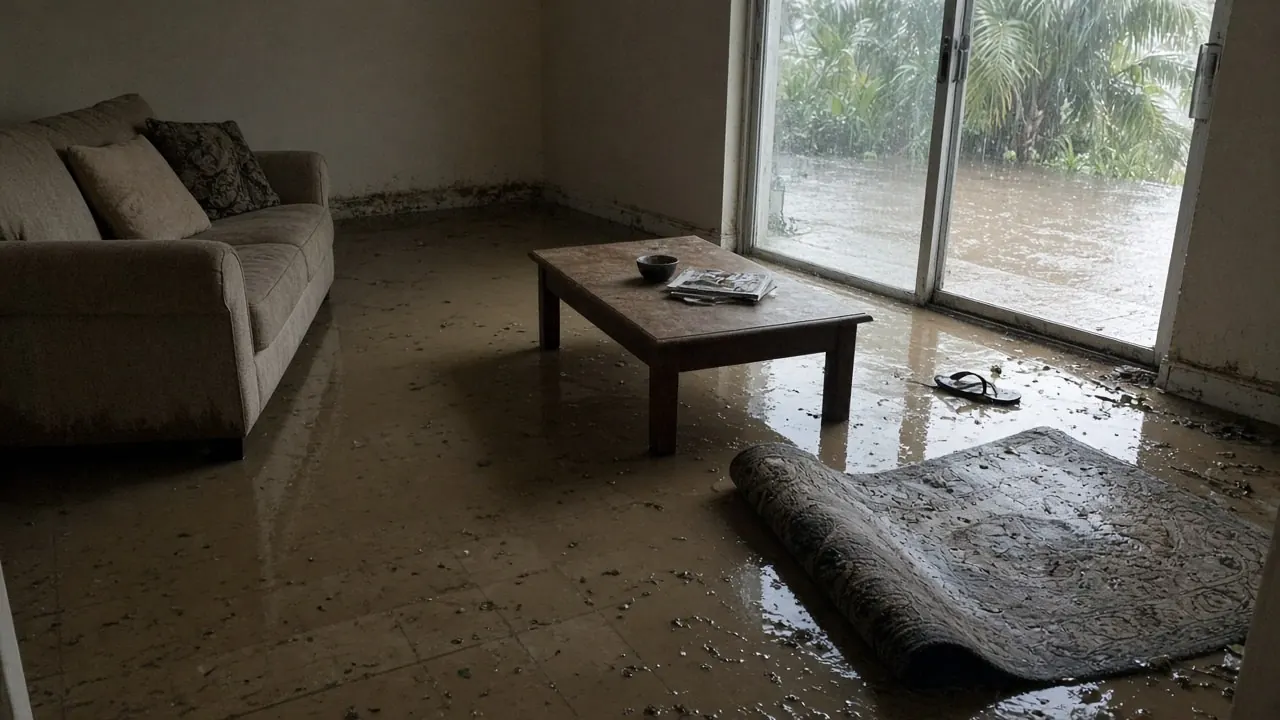
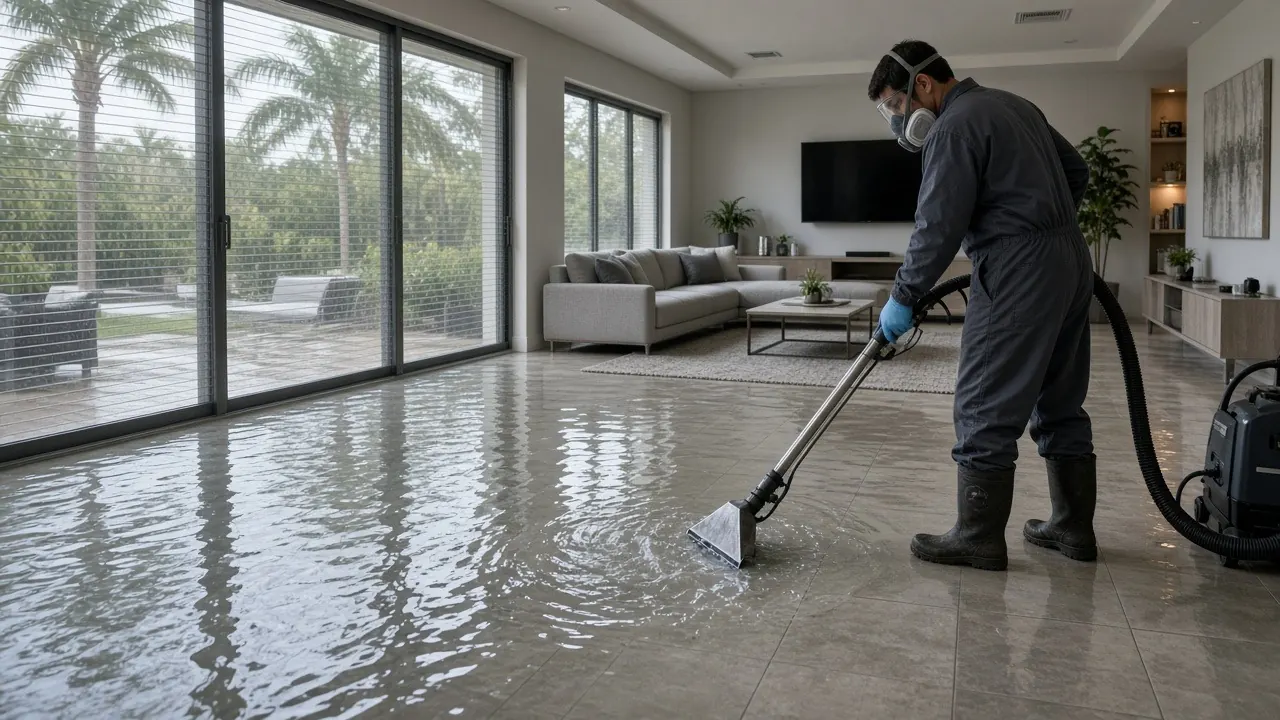
Flood water from a bayou or street can carry sewage and can hide electrical hazards. Stay out of it. Indoor supply water is still an emergency for the finishes, and it is usually a different insurance question. Read flood water safety.
To report a leak in the city system, dial 311 or email 311@HoustonTX.gov. A leak from the meter toward the street is an HPW-Meter Leak request and can take up to 14 days to investigate. From the meter toward the house, call a plumber, or use Call Now on this site if the rooms are already wet. Bill questions go to Houston Customer Account Services at 713-371-1400.
Mold and Texas rules

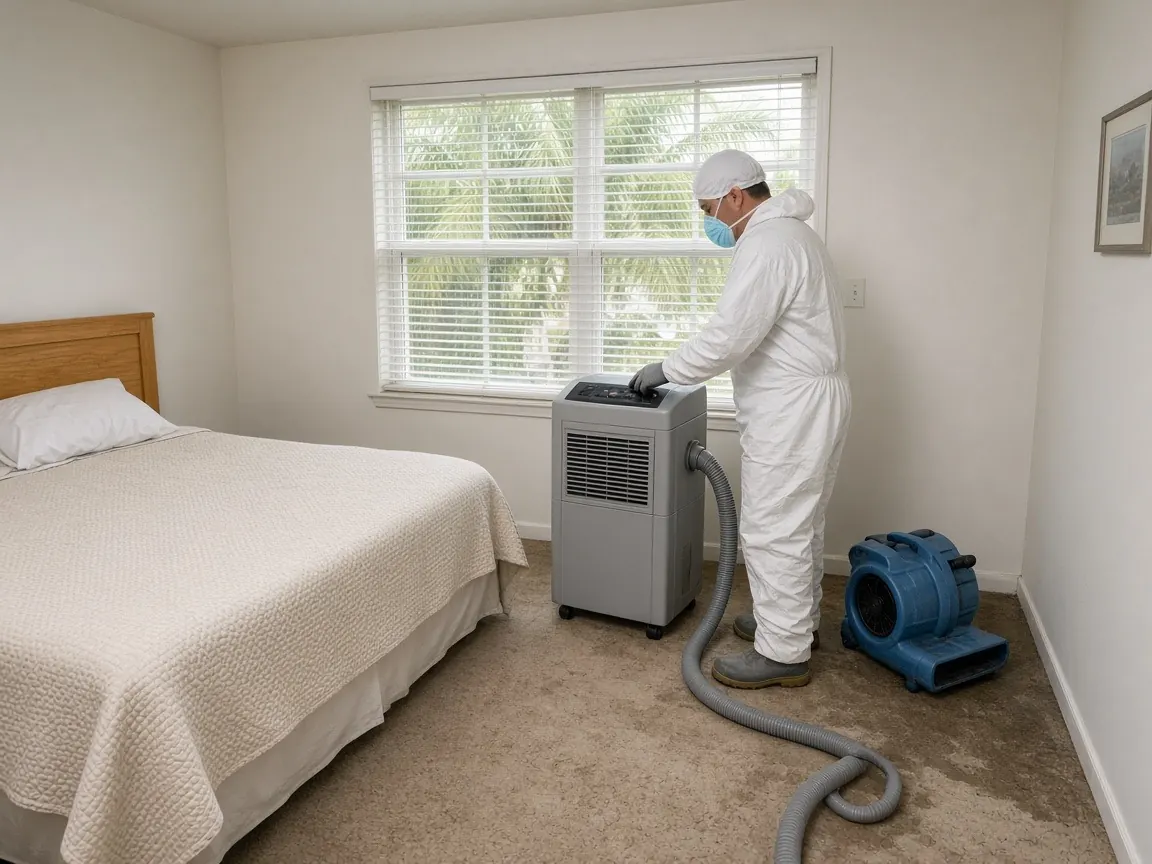
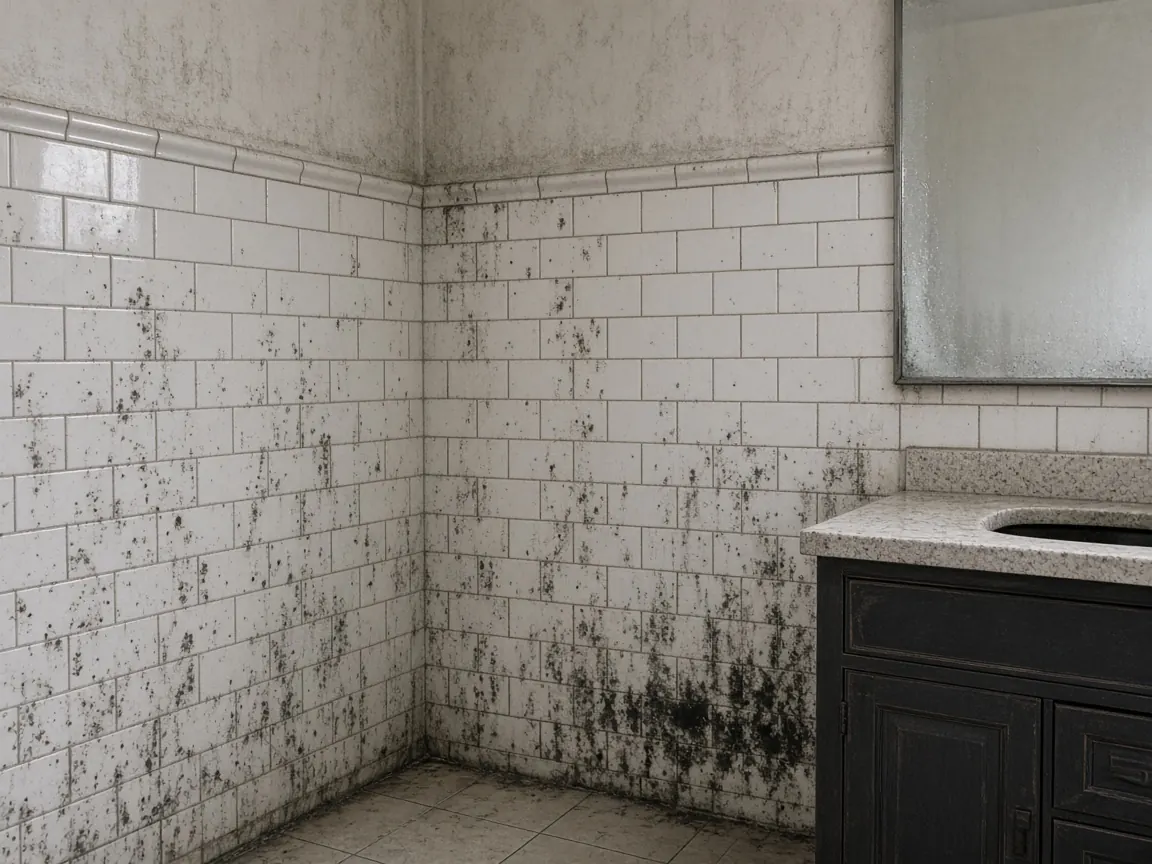
Wet materials in Houston humidity can grow mold in about 24 to 48 hours. That figure is from the EPA mold and moisture guide. Once growth covers 25 contiguous square feet, Texas requires a TDLR Mold Remediation Contractor and a separate licensed assessor under Occupations Code Chapter 1958. See Texas Occupations Code Chapter 1958 and the TDLR mold program.
Water extraction and structural drying do not use a state license. The full paragraph is on the mold remediation page.
Insurance paperwork
Photograph before you throw anything out. Note the time and the source. Ask your agent whether the loss belongs on a flood policy or a homeowners policy. Rising bayou water and a burst indoor pipe are different questions. The company you reach can add moisture readings to the file.
Square feet wet, hours the water sat, slab versus other construction, and the 25 square foot mold line are what change the size of the job. The company sees the house before that scope is real.
The places this site covers
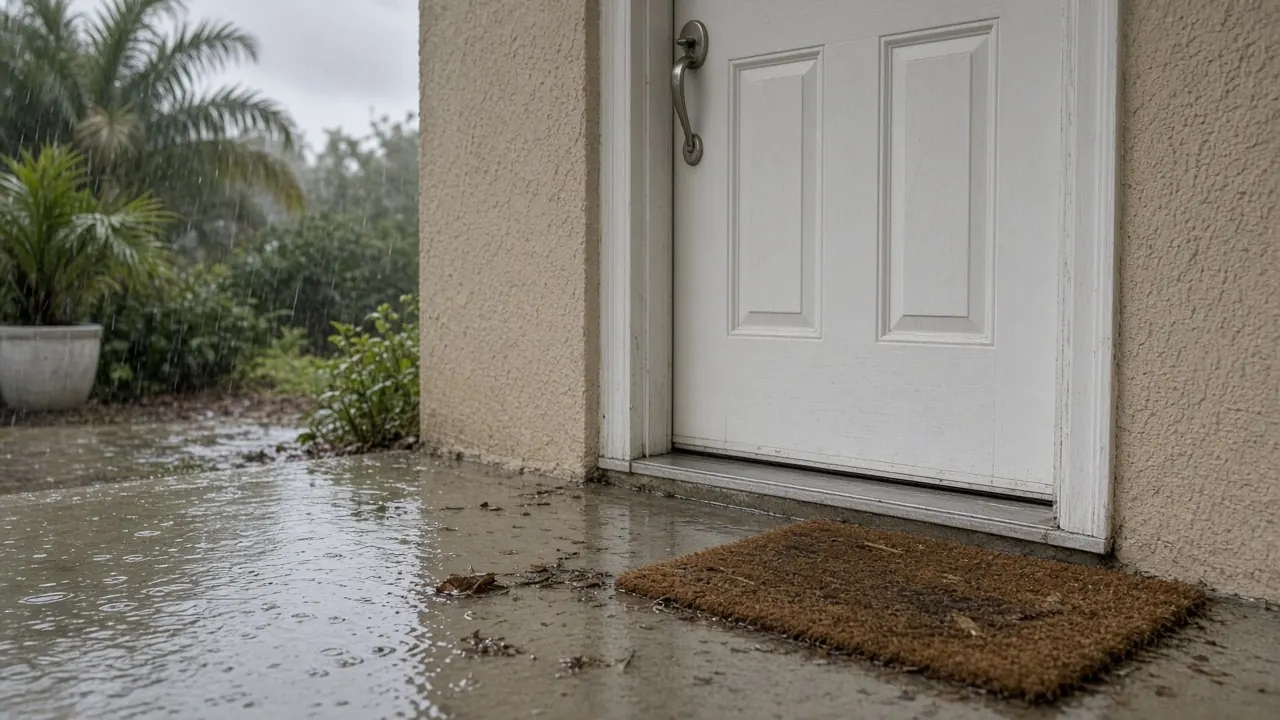
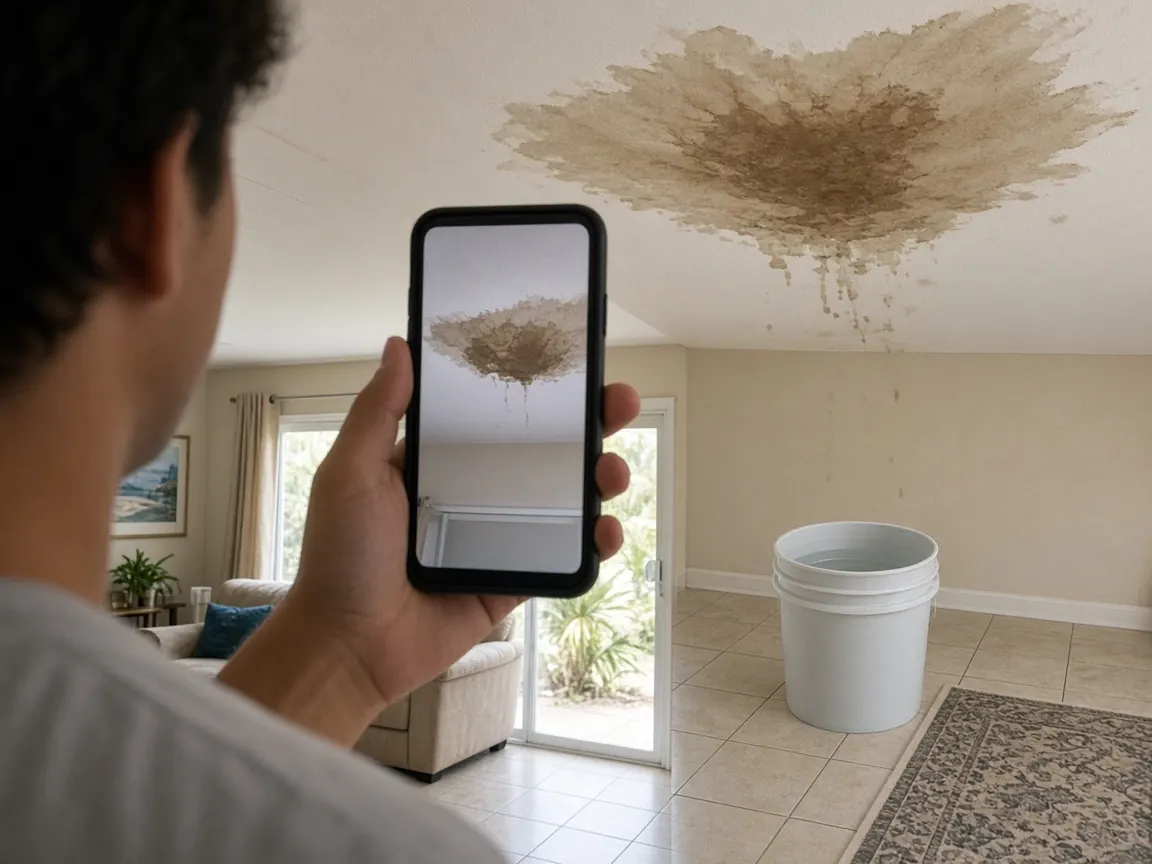
Houston, Spring, and Katy are the Harris County pages. Conroe and The Woodlands are the Montgomery County pages. Each one names the creeks and the storms that belong to that place.
Open Houston, Spring, Katy, Conroe, or The Woodlands. The bayou explainer is the map in sentences.
FAQ
What do I do in the first hour?
Stop the source if it is safe, avoid standing water, photograph the water line, and call so a local company can meter and dry.
How do I report a city water leak in Houston?
Dial 311 or email 311@HoustonTX.gov. Meter-to-street leaks are HPW-Meter Leak requests. Meter-to-house leaks are the owner's plumber. Billing is 713-371-1400. Wet rooms on this site start with Call Now.
How fast does mold start here?
About 24 to 48 hours on wet materials, per the EPA guide, faster when the house is closed and warm.
What is the Texas mold rule in one pass?
At 25 contiguous square feet or more, a TDLR Mold Remediation Contractor does the work under a protocol from a separate licensed assessor. You receive a Certificate of Mold Damage Remediation when that project is finished. Notice goes to the state ahead of the project, or the next business day in an emergency.
What changes the size of the job?
Wet square feet, how long the water sat, slab construction, and whether mold crossed 25 contiguous square feet.
Which cities are covered?
Houston, Spring, Katy, Conroe, and The Woodlands.
How fast can help get to my house?
There is no promised minute count. How fast a company can reach you depends on call volume at that moment and where its crews already are in the metro. Calling now is the fastest way to get a real answer for your address, because the company you reach can say where its nearest crew is and what comes next.
How long does drying take?
Typical structural drying runs for days. Straightforward jobs commonly take about 3 to 5 days of drying equipment running in the house. It runs longer when water sat for a long time before the call, when it reached inside closed walls, or when saturated materials sit under flooring. The company you reach works from its moisture readings and checks the materials as they dry, and the equipment stops when the readings say the materials are dry.
Can I stay in the house while it dries?
It depends on the water and the rooms it reached. Clean supply water in one room with drying equipment running is a different situation from flood water or sewage through several rooms, or mold growth near the bedrooms. The company you reach can walk through which rooms are affected, where the equipment and containment will sit, and whether the bathrooms and kitchen still work. When the water came from outside or the smell is strong, plan on the chance that staying somewhere else for a few nights is the practical choice.
Will insurance cover the water damage?
That depends on your policy and on where the water came from. A broken pipe inside the house and rising water from a bayou or street are different kinds of water, and they are answered by different policies. This site cannot promise coverage for any claim. What the crew can do is document the loss for your file: dated photos of the water line, notes on the rooms and materials affected, and moisture readings taken as the house dries. That record is what your agent and adjuster work from.